
Our process
What is plug cultivation?
The process of plug cultivation
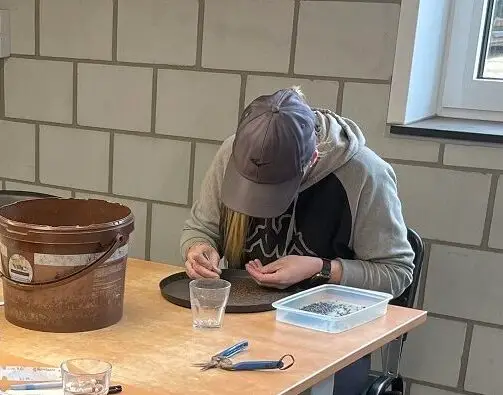
1. Seed treatment
Our cultivation begins with tree seeds. We purchase seeds ourselves, or customers supply us with seeds that we treat in-house. Depending on the species, we apply cold or warm stratification to promote germination. Additionally, seeds are extra cleaned mechanically or manually if necessary for an optimal result.
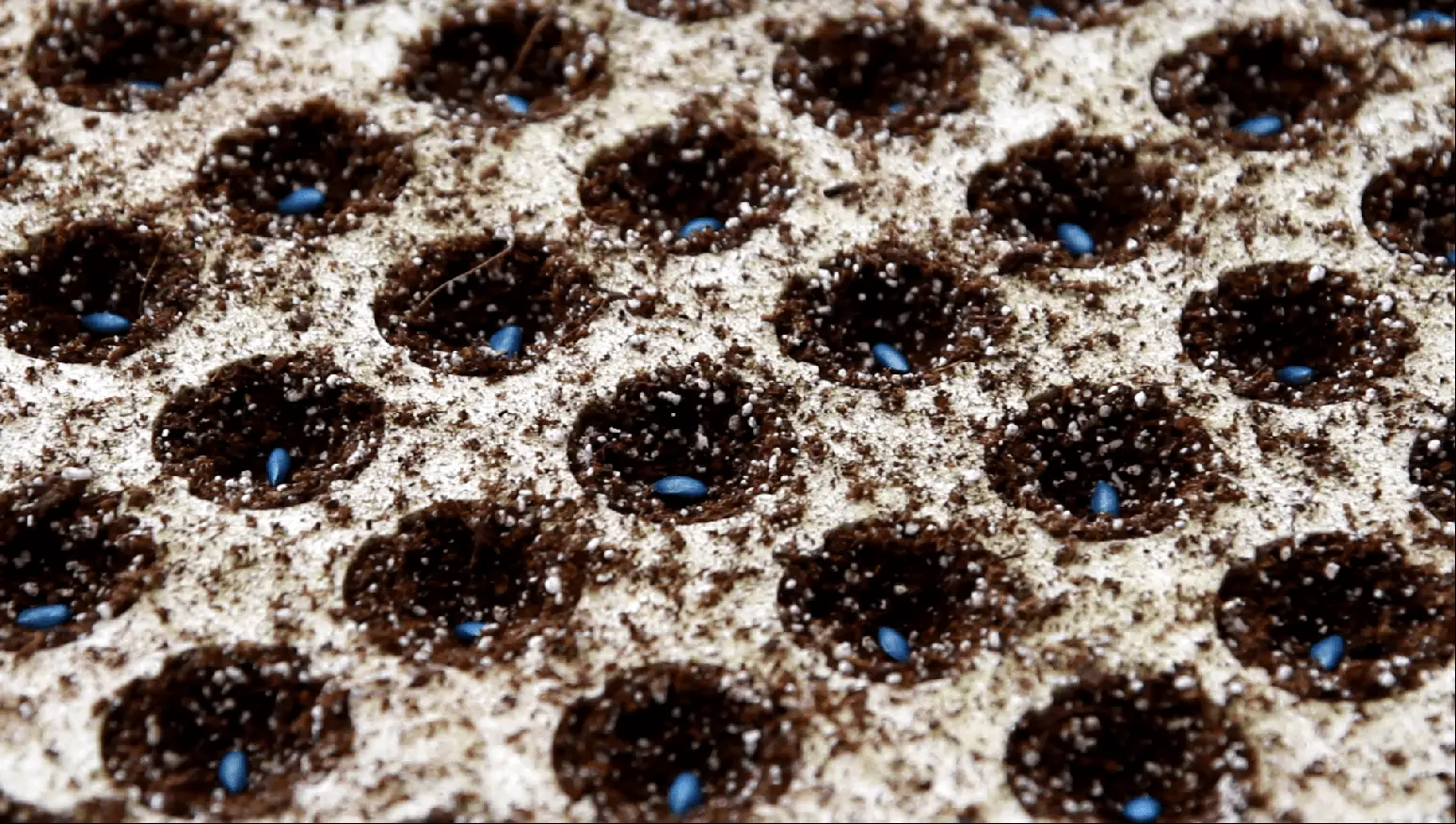
2. Sowing
In the spring, the seeds are sown automatically in Styrofoam trays. Depending on the plant species, a choice is made between paper plugs with a top layer filled with substrate or traditional trays filled with substrate. We sow most plant species with one seed per plug. For some species, we choose to sow two or three seeds per plug, depending on the species and the customer’s wishes.
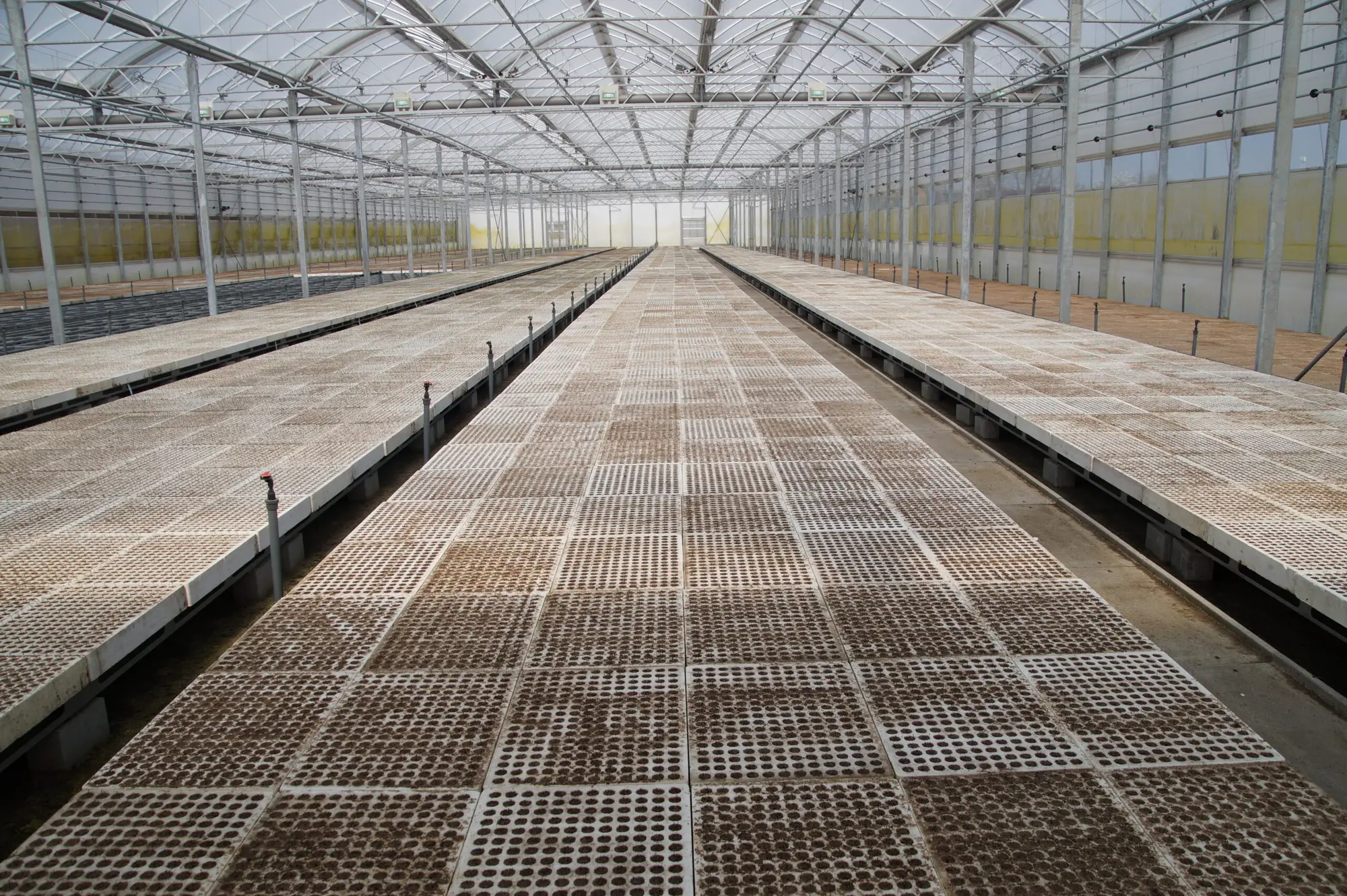
3. Germination and initial growth
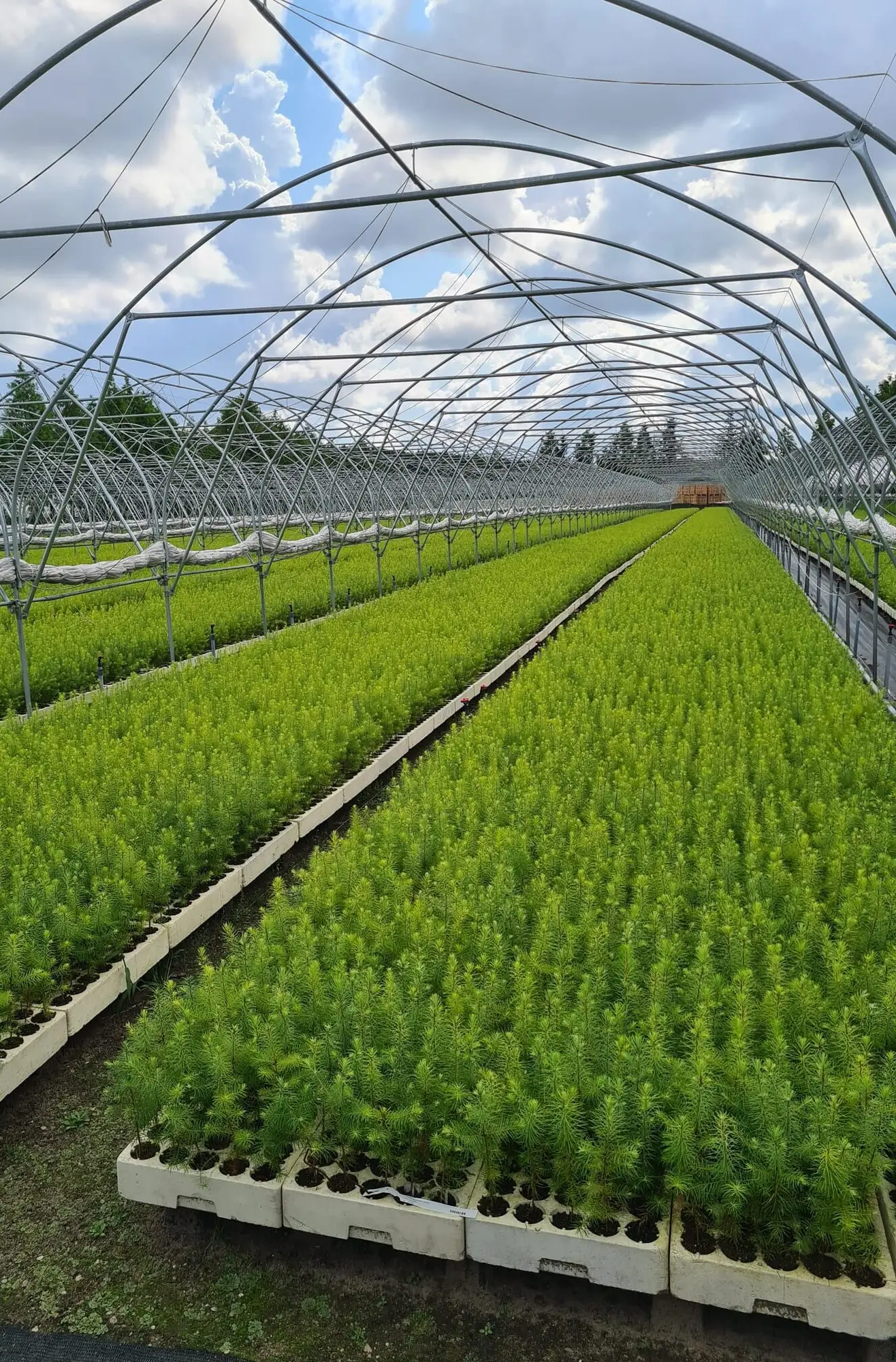
After sowing, the trays are placed in our foil tunnels or Roll-Air greenhouses. Here, we ensure the right combination of temperature, humidity, and light so that the seeds can germinate under optimal conditions. During this important phase, the crops are closely monitored and adjusted where necessary.
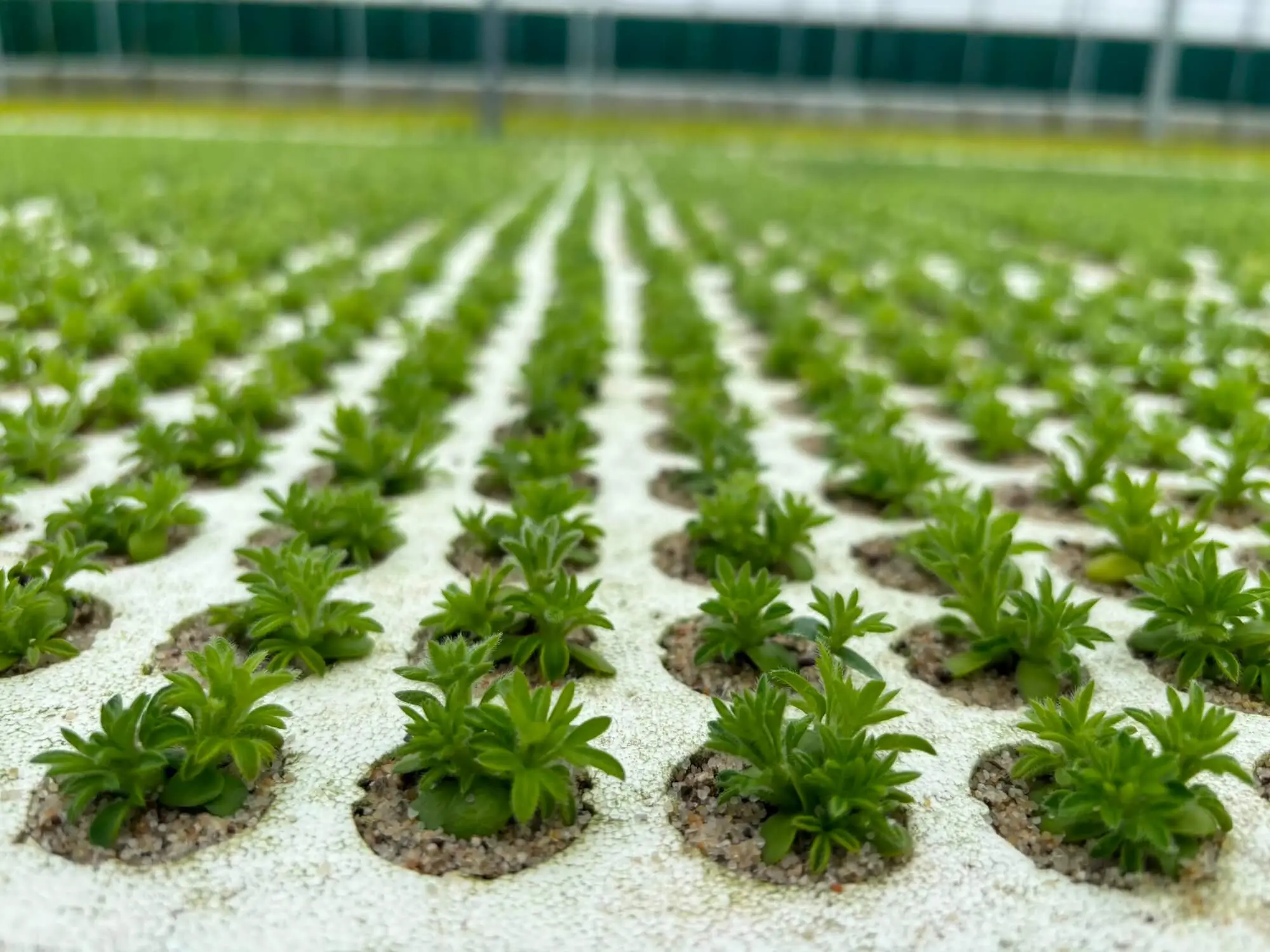
4. Spring sowing delivery
For a number of plant species, we also offer spring sowing. This cultivation is particularly suitable for species that are preferably potted fresh or when a customer wants to shorten a cultivation year because a certain species is unavailable. This sowing takes place during the regular sowing season, but the plants are already delivered around June of the same year.
5. Hardening off and overwintering
The plants that we do not supply as spring sowing are hardened off in the autumn by removing the foil from the tunnels as soon as the plants have reached sufficient height. This exposes the plants to natural conditions, resulting in strong and thicker plants. Towards winter, the foil is placed back on the tunnels so that they can overwinter under favorable conditions.
6. Sorting and storage
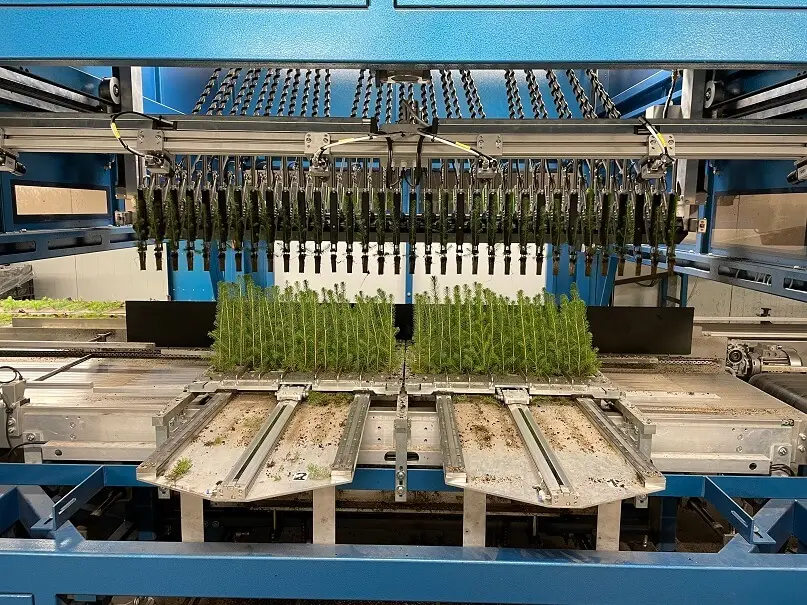
As soon as the plants have sufficiently hardened off, the majority of the 1-year-old plug plants are removed from the trays from November through February, manually or automatically sorted, and packed using a sorting robot. After sorting, the plants are packed in cool bags and stored in high peat crates or box pallets. Subsequently, they are kept in our freezer at -2 °C. This way, the plants remain dormant until the customer needs them, without growth starting prematurely.
Various plug sizes
We grow various sizes of plugs. Each size has its own possibilities and applications.
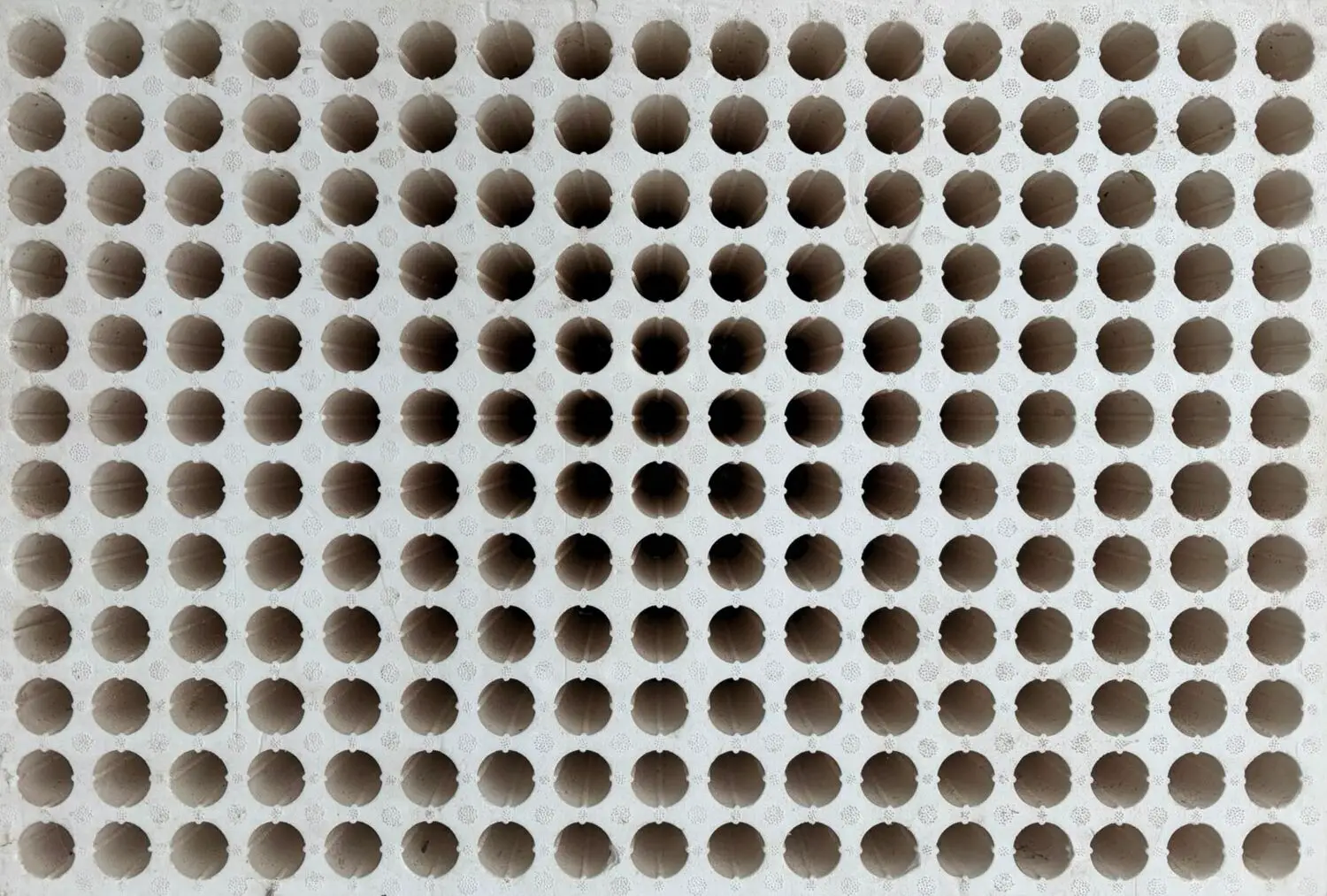
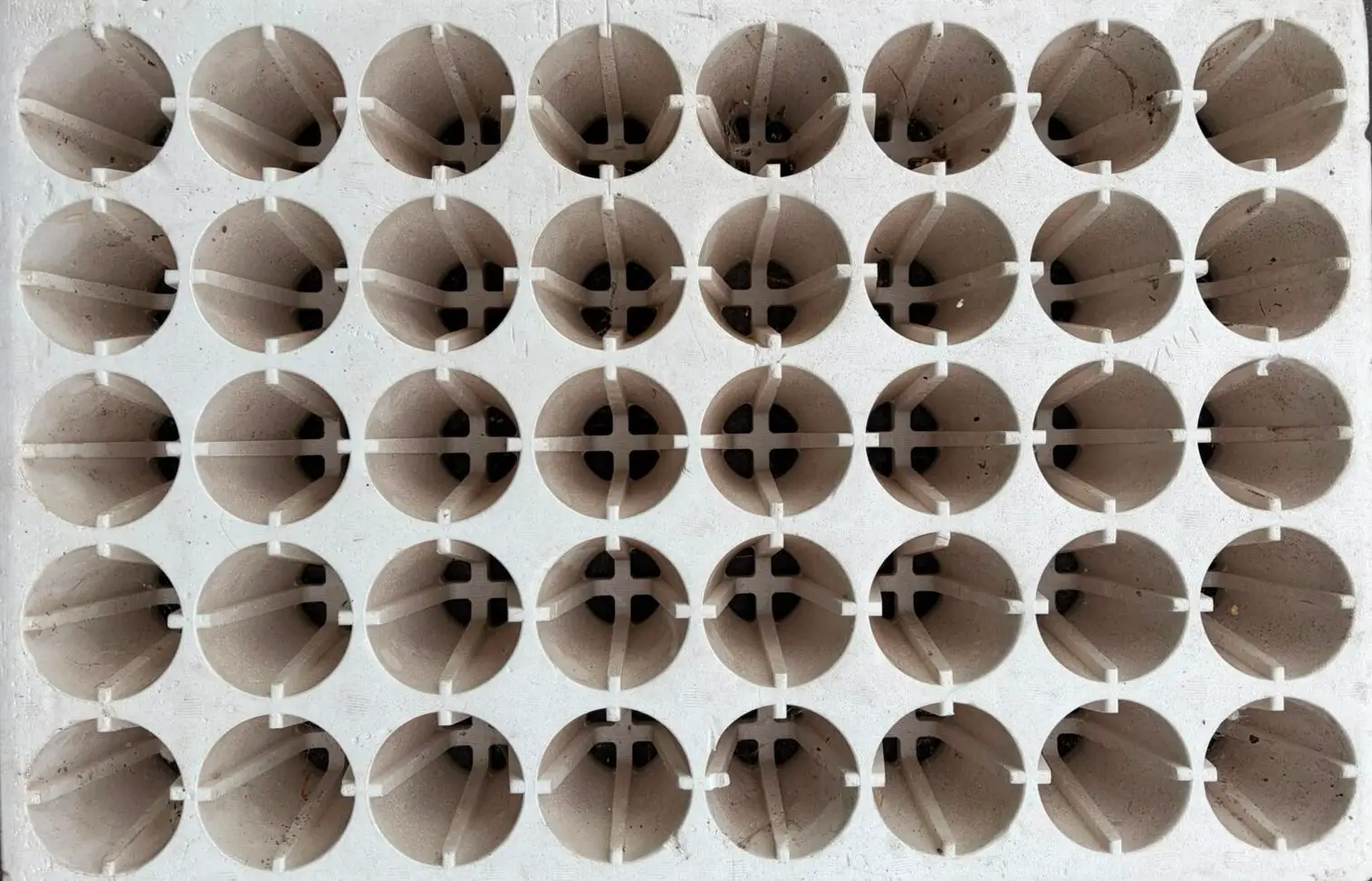
Size P204: 7 cm long and diameter of ±2.5 cm = 0.03 cc
This plug is mainly used for transplanting into larger plugs, for potting in smaller pot sizes, or for planting in beds in open ground.
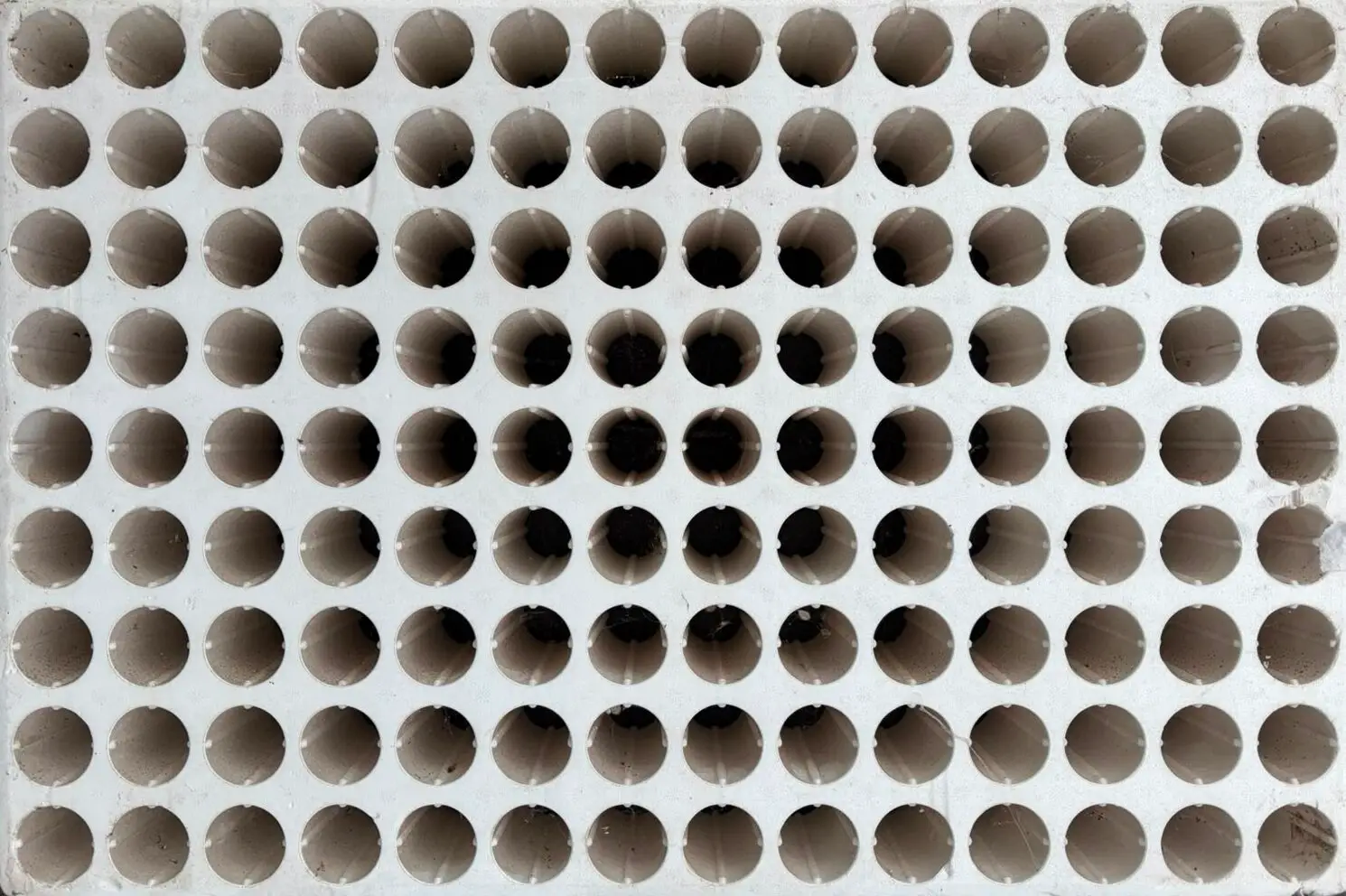
This plug is used for transplanting, potting, or for direct planting in forests.
Some plant species are sown directly into P40 trays, but for most species, a P204 is transplanted into a P40. The P40 plug size is increasingly used as heavier planting stock, for immediate grafting (instead of P9), or for direct planting in forests.
Need more information?
Advantages of plug cultivation
Significantly more plants are obtained from one kilo of seed, which lowers the cost price per plant and provides a direct advantage, especially with expensive seed batches.
The cultivation cycle is shortened, making crops marketable faster and increasing the turnover rate within the nursery.
Plug plants are uniform and easy to handle, allowing them to be processed efficiently in both manual and mechanical processes.
Losses are minimal and growth is consistent, ensuring a homogeneous end product and less sorting work.
The uniform structure of the trays and plugs makes them ideal for automated processing within the production process.
Plug plants can be processed throughout the year, ensuring stable planning and a better distribution of labor.